gale woods

The Birds


I have to keep it short, today. We have been blessed with much and are thankful beyond the sentiment. As I worked diligently in the studio, the turkeys enjoyed the old garden (that finally received the garlic, yesterday).


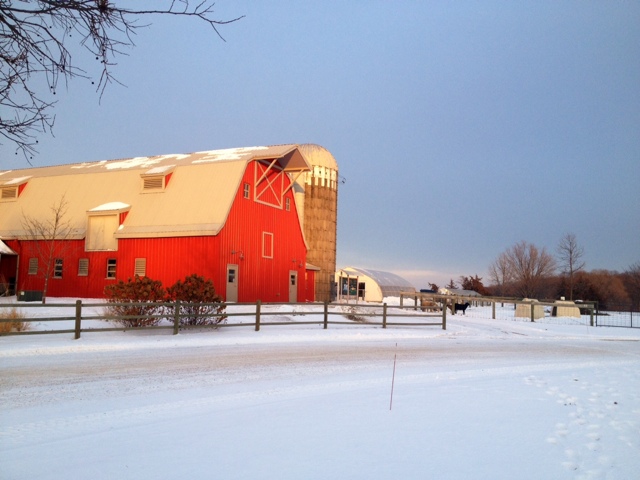
Our dinner's bird came from here, the Gale Woods county park. Despite losses of millions of poultry birds to a severe outbreak of avian flu at Minnesota's mega farms, small farms like Gale Woods didn't lose any birds. It's hard to imagine how we could decentralize the production of food animals at the scale that we produce and consume them in this country, but I am thankful for this park and its mission, and that it provides for our meals of pork, beef, lamb, chicken and turkey, and finally for the Gale family who well understood years ago that this kind of farming was losing ground and needed to be preserved by imagining it as a park.

Happy Thanksgiving.


Cooking Local


Allium tricoccum var. burdickii, prepped for cooking, common to our woods (99.5% are this variety) and delicious. They are milder and I think sweeter than the more common, larger-leafed, red stemmed ramp. I've made ramp pizza, pasta with ramps, stew with ramps, eaten them raw, put them in nearly everything. One of my favorite spring dinners is asparagus and eggs. Why not add ramps to the mix?


First, I made some polenta in our rice cooker.


Six organic eggs from our local farm park.


Fried some naturally cured bacon from the very same local farm park.


First layer asparagus and ramps, then eggs, and more ramps on top, cover, cook and flip once.


Stack polenta, bacon, egg, asparagus and ramp mixture. Add grated Parmigiano reggiano and black pepper to taste and I like to drizzle Arbequina olive oil over the top.


Supper


In the upper Midwest, and probably other regions, dinner is called supper and lunch is often dinner. For supper, then, I made the 15 minute, thirty mile per hour drive through town and then out of it, curving west, at thirty-five miles per hour, then forty-five, until just over the Dakota rail trail. Slowing down for an acute right, gassing it uphill, past the Gale house, the event barn, the market garden (frozen as it is), yielding left, toward the visitor center. One other car, facing west, shared the lot. Over packed, snow-covered gravel, a soft left at the chicken coop, pushing the glass entry door, an unfocused hello and then scope the upright, glass door freezers. 

All of two shelves empty. A sign reads pork is coming in on the fifth of December. I tally four roasting chickens, five "Frenched" racks of lamb, a single leg of lamb steak, copious beef liver and tongue, eggs, a head or two of cauliflower and romanesco broccoli, a basket of onions, garlic, and of all things, late-frost tomatoes. 

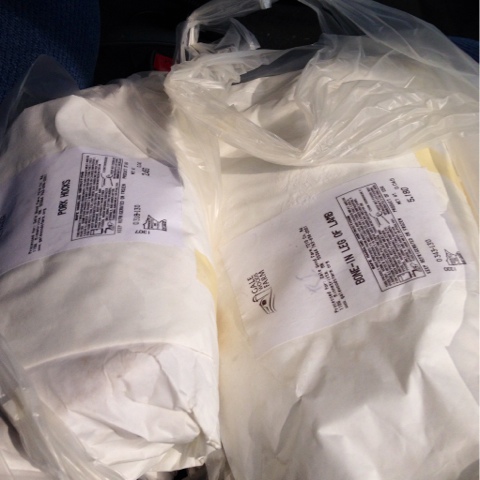
I pick out two whole chickens, a leg of lamb steak, one onion, one garlic (although I have plenty back at the house), cauliflower and broccoli. Before leaving I ask how long this can possibly last, to which the startled clerk replies, oh, we have no intention of going anywhere. It is hard to fathom this attitude of permanence, but I will work on it.


Farm Park


Minneapolis has a farm within its park system, Gale Woods Farm.


They raise cattle, sheep, pigs, and chickens, in addition to a number of crops. They expose school groups to farming and offer volunteer opportunities. The park is about 15 minutes from our place.


You can buy pastured meats at a fraction of the NYC price (5 lb leg of lamb -$36). As far as I know this is unique to the region, is hardly known even to locals, and is a great resource in a region that has not quite made pastured meats accessible to the urban population. Food is generally more expensive in the Minneapolis region than it is in NYC, variety is dismal, international foods are harder to come by, and produce is not well-stocked or good looking. There is a grand farmers' market in Minneapolis, but it's a drive into downtown. Fortunately, smaller markets are popping up including one in our town despite the fairly short season.